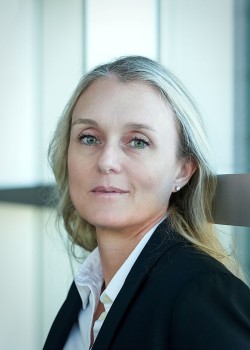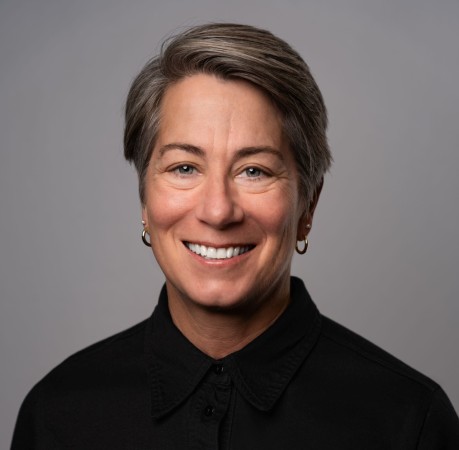
After more than three decades in medicine - spanning rural practice, military deployments and leadership, Dr. Colleen Forestier has learned that the profession demands both humility and resilience.
Raised in Edmonton, she was introduced to medicine through her father, an orthopedic surgeon, and to creativity through her mother, an artist - though she jokes she didn’t inherit the latter. Medicine felt like the natural path but getting there was not straightforward. It took several attempts to gain admission to medical school , an experience that tested and ultimately strengthened her resolve. “It confirmed for me, that perseverance matters,” she says.
Alberta has always remained home. After completing her residency in Calgary, Dr. Forestier spent time working as a rural locum and later practiced in a rural community, where she developed a deep appreciation for continuity of care and the relationships that define community-based medicine.
Her career later expanded through service with the Canadian Armed Forces taking her across Canada and on international deployments to places like Afghanistan and Sierra Leone. Those experiences profoundly shaped her perspective. Witnessing the impacts of conflict, infectious disease, fragile health systems and limited infrastructure highlighted both the strengths and the limitations of Western medicine and reinforced the importance of resilience, teamwork and humility.
Despite those experiences abroad, her connection to Alberta never changed. “While Alberta’s landscape is extraordinary, it’s the people who truly make it special,” she says. Patients, healthcare colleagues, communities, have all shaped her understanding of service.
Over time, Dr. Forestier has also come to recognize the more difficult realities of medicine. Coping with difficult clinical outcomes remains for her, one of the most challenging aspects of the profession. Thirty years ago, she notes, these experiences were rarely discussed openly. Today, there is more openness to using these experiences for reflection, quality improvement as well as personal and professional growth. “I’m not sure that the impact of these types of cases is something one truly ‘overcomes,’” she says. “But we can learn from these experiences and support one another.”
Maintaining balance has been another ongoing lesson. While medicine is a central part of identify, it is not the whole of it. Investing in relationships, hobbies, learning new skills and contributing outside of medicine, she says, is essential to sustaining both resilience and perspective.
Early experiences helped shape this outlook. Her time with Alberta’s Rural Locum Program strengthened her independence and adaptability as she provided care in rural communities managing access to care and unique healthcare delivery challenges,
Residency itself, she reflects, taught important lessons that have endured: teamwork, recognizing one’s limits, trusting instincts and asking for help when needed. While medical knowledge continues to evolve, the importance of listening carefully to patients and understanding what matters most to them has only become clearer over time.
Looking ahead, Dr. Forestier believes healthcare in Alberta will continue to evolve alongside changing demographics, advancing technology and increasing system pressures. While these shifts bring uncertainty, they also offer opportunity.
Resident physicians, she says, will be central to that future- not just as learners but as leaders. “Your voices matter,” she says. “The way you approach collaboration and patient care will shape healthcare in this province for decades to come.”
Reflecting on her career, she is most proud of not any single role, but of its breadth - and having remained grounded in service throughout.
“Medicine is not a solitary profession,” she says. “It is built on teamwork and shared responsibility.”
For those just beginning their journey in medicine, her message is simple: the path will not be linear - and that’s part of what makes it meaningful. Stay curious, invest in relationships and experiences beyond medicine and remember that the impact of our work in this profession extends far beyond what can be seen in any single moment.