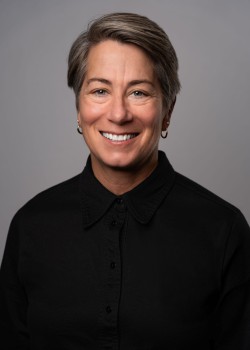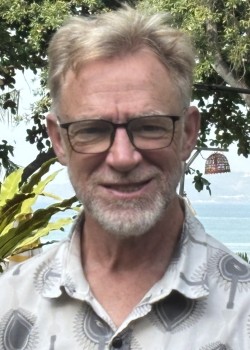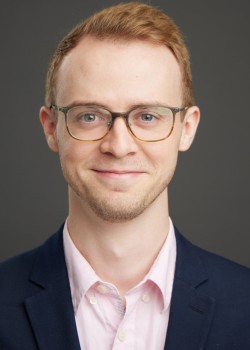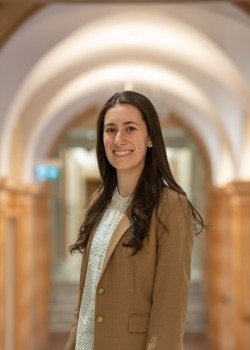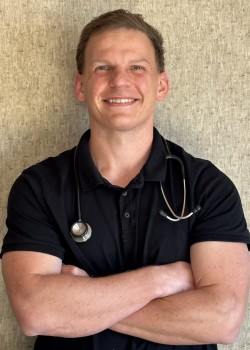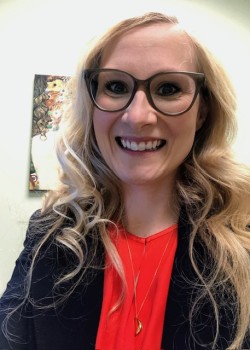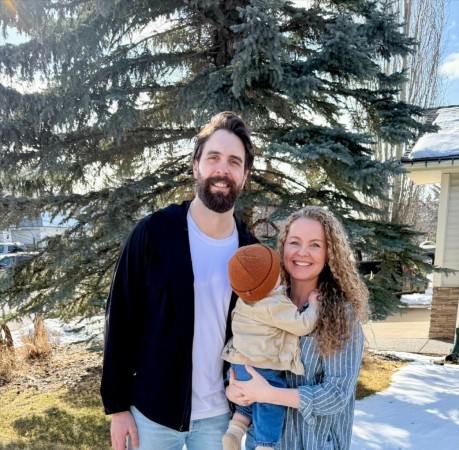
Dr. Nicole Brockman and Dr. Brett Ponich’s journey through medicine has always been intertwined.
The two first met as undergraduate students at the University of Alberta’s Augustana Campus in Camrose. Not long after, their paths diverged when Nicole was accepted to medical school at the University of Alberta while Brett continued his undergraduate studies. A year later, Brett was accepted to medical school at the University of Calgary, beginning several years of long distance as they each pursued their training.
They became engaged during Nicole’s first year of medical school and married in the summer of 2020. Their original plan for a 300-person rural wedding quickly changed as COVID-19 restrictions took hold, transforming the celebration into a small, intimate gathering of 25 people.
“It ended up being even better than we could have hoped for,” they say.
After years of training in different cities, matching together in Calgary felt especially meaningful. Brett matched to Plastic Surgery and Nicole to Internal Medicine. Nicole has since completed her core Internal Medicine residency and matched to the General Internal Medicine fellowship in Calgary. This past July, they welcomed another milestone: the birth of their baby boy.
While their paths share many parallels, their motivations for pursuing medicine came from different places.
For Brett, an early exposure to plastic surgery left a lasting impression. A family friend in the field became an early mentor, showing him the remarkable impact reconstructive surgery can have on patients’ lives, particularly in pediatrics.
Before pursuing medicine, Brett spent time playing professional hockey. “When I retired from hockey, I knew I wanted a career that required the same discipline, focus and continuous growth,” he says. “Being a surgeon sounded like the craziest and most engaging job I could think of.”
Through residency, he has developed a particular interest in pediatric and craniofacial surgery and hopes to build a mixed practice in the future.
Nicole’s path was more direct, though equally full of discovery. As the first in her family to pursue medicine, she entered medical school with limited exposure to the profession. During training, she quickly found herself drawn to the diagnostic complexity and collaborative nature of Internal Medicine.
“I didn’t even know what internal medicine was when I started,” she says with a laugh. “Aren’t all organs internal?”
Over time, the intellectual challenge of caring for medically complex patients and working within multidisciplinary teams confirmed her choice. That interest eventually led her to pursue further training in General Internal Medicine.
Both chose to train in Alberta in part because it felt like home. Brett grew up in the province, while Nicole moved to Alberta after high school and has remained since. For both of them, Calgary offered strong programs, excellent mentorship and a collaborative training culture.
Maintaining balance during residency, however, has been one of their greatest challenges, especially as a dual-resident household.
Throughout their training, they have made deliberate efforts to protect time together. They aligned call schedules whenever possible and prioritized shared vacation time, creating small traditions that helped them stay connected amid demanding schedules.
One of their favourites is a week off each November dedicated to decorating their home for Christmas and launching the holiday season with festive activities.
Another tradition is their “call supper.” The Monday after a call weekend, ordering takeout becomes completely guilt-free.
“It became something we genuinely looked forward to,” they say. “Sometimes it was the motivation that carried us through long call weekends.”
Their residency years have also been marked by leadership and mentorship.
Nicole has focused heavily on medical education, contributing to point-of-care ultrasound (POCUS) teaching and co-leading simulation sessions for Internal Medicine residents. Brett has developed educational resources for medical students preparing for surgical rotations and is currently working on a sports-psychology curriculum aimed at helping surgical residents navigate the pressures of training.
Both have also pursued leadership initiatives outside the clinical setting. Nicole co-founded a Women in Medicine initiative that creates mentorship opportunities and fosters discussions about barriers faced by women in the field. Brett led the Plastic Surgery Division of the "Eyes in Ukraine" initiative, raising funds to support craniofacial surgical care abroad, and organized a division-wide fitness challenge to promote wellness across training sites.
Their involvement with PARA has been another shared part of their residency experience. Both served as program liaisons for two years, advocating for residents and contributing to initiatives that supported their peers.
“PARA’s wellness initiatives and advocacy around call support made a tangible difference during demanding rotations,” they say. And now, as new parents, they are experiencing another aspect of that support through parental leave.
Looking back, their advice to trainees is simple: residency is demanding, but growth happens along the way.
“At times it can feel like someone keeps increasing both the speed and incline of the treadmill,” they say. “But you become stronger and more conditioned. By the end, you’re confidently doing the very things you once watched in awe as a junior trainee.”
At the same time, they emphasize the importance of protecting the parts of life that matter most.
“Medicine is an incredible and deeply meaningful profession,” they say. “But at the end of the day, family comes first.”
For the next generation of physicians, their message is one of perspective.
Amid the pace and intensity of training, it can be easy to forget the privilege of the work itself. Yet physicians are invited into some of the most vulnerable moments of people’s lives - moments that require both skill and compassion.
“Never lose sight of how meaningful - and how special - that responsibility is.”