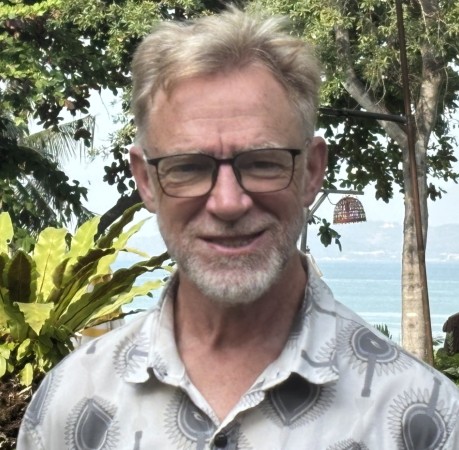
Long before he ever stepped into an operating room, Dr. John Kortbeek already had a vivid picture of what a surgical life could look like. In high school, he read a book about a general surgeon practicing in upstate New York, filled with vivid case stories and encounters with people from every walk of life. The combination of intellectual challenge, technical skill and human connection captured his imagination. “I was hooked,” he recalls.
After completing surgical and critical care training in Calgary, he pursued additional trauma fellowship training in Alabama. Though attractive opportunities awaited in the United States, Calgary ultimately drew him back. The city’s General Hospital, then the main trauma centre, stood out for its strong staff culture and high morale. “A great city and a wonderful hospital - it was too good a chance to pass up,” he says.
Over time, he discovered that the greatest professional challenges weren’t always clinical. While difficult cases are part of any physician’s work, he found the most demanding efforts often happened behind the scenes. He worked closely with colleagues to build Calgary’s trauma program at the General Hospital and when that hospital closed, he helped rebuild systems, infrastructure and teams at Foothills Medical Centre. Even after those programs were established, sustaining them required constant discipline and commitment from many professionals. Those experiences gave him a deep respect for the unseen leadership that keeps health care functioning, especially as capacity and funding pressures have intensified over the decades.
His residency training, typical for a graduate of the 1980s, provided extensive clinical experience but little preparation in areas such as leadership, business, education or research methodology. Developing those skills became, in his words, “a career-long endeavor.” He notes that newer generations of physicians now have access to more professional development tools and stronger mentorship in these areas than existed when he trained.
Some of the most formative lessons in his career came from difficult moments. “We learn as much if not more from our setbacks and failures than our successes,” he says. Challenging outcomes and conversations with patients’ families left lasting impressions and shaped how he approached care. Over time, he made a conscious shift in his practice: ensuring patients and families felt he was on their side. Becoming a better listener and explaining medical issues “in plain English,” he found, reduced stress for everyone involved and led to better experiences.
Despite the challenges, he describes medicine as an exciting and privileged profession. He believes resident physicians are indispensable to the health system, not just as learners but as practicing clinicians who bring fresh perspectives and a willingness to challenge established thinking. “These are the drivers of change and improvement in health care,” he says. “Thank God for youth.”
Looking back, he considers himself fortunate to have had a career that was both demanding and deeply rewarding. He values the supportive family who made that career possible and the opportunity to work alongside talented professionals across disciplines.
Medicine also opened doors beyond the hospital, allowing him to travel internationally and collaborate with colleagues around the world. Those experiences showed him how many organizational and clinical challenges are shared across countries of every income level.
Through it all, he says, the most meaningful memories are not only professional milestones but the adventures he shared with his family along the way.
His advice to the next generation is simple and sincere: “I hope you enjoy your careers as much as I did. Take advantage of the unique chances and challenges that come your way. They will!”