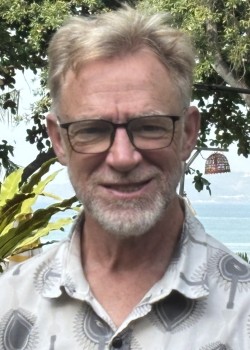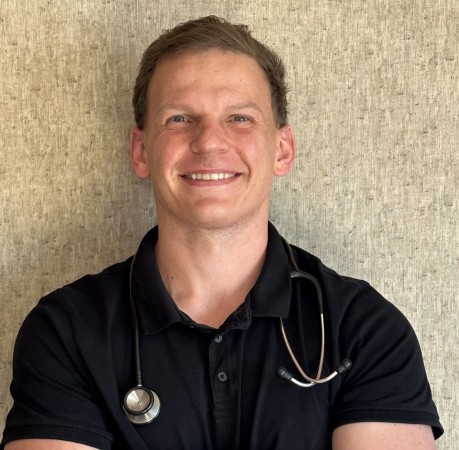
Medicine was part of Dr. Du Toit Visser’s world long before he chose it as a career. Raised by a physician father and a nurse mother, he saw firsthand the relationships they built and the impact they had on their community. That early exposure left a lasting impression. Seeing how deeply they were woven into the lives of the people they served ultimately drew him into the profession.
Family medicine, however, was not initially part of the plan. “Not to mention rural family medicine,” he says. But a series of opportunities introduced him to mentors in rural practice who shifted his perspective. He began to see the scope and influence of the field, both clinically and socially. Along the way, he discovered that rural family medicine offered something he valued: flexibility, stimulation, meaningful community impact and endless room to grow.
Alberta became home for many reasons, but camaraderie stands out most. After working in diverse settings around the world, including South Africa, Ireland, maritime medicine in the United States and rural medicine in Africa, he believes Alberta offers some of the strongest infrastructure and resources available to physicians. “There are frustrations in any community and environment you work in,” he acknowledges, “but coming to work here is not mentally and physically taxing.” He values the ability to align a fulfilling career with what he describes as a “world-class” work-life balance. And, he adds with a smile, “The Stampede is a pretty cool thing to brag about.”
Like many physicians, he encountered the risk of burnout early in his career. Residency and practice can easily become a relentless race of multitasking and overcommitment. Fortunately, mentors and family helped him recognize that pattern before it became entrenched. Learning to build balance into his life early on, he says, was life-changing.
Residency gave him the space to sharpen both his clinical skills and his independence. It also introduced him to a wide range of mentors who shaped his sense of the kind of physician he wanted to become. Those influences were reinforced during his international work experiences. Traveling while practicing medicine exposed him to different systems, specialties and community dynamics. In peripheral sites especially, he witnessed the passion of physicians and nurses and the lengths they went to advocate for their patients. That perspective reshaped his understanding of medicine and the deep satisfaction that can come from community-based care.
He remains optimistic about Alberta’s health system. He points to dynamic leadership, strong infrastructure and tools such as ConnectCare as examples of progress that can easily be taken for granted. Improved access to information, reduced duplication of testing and better documentation, he believes, position Alberta as a potential global flagship for universal health care - if supported with thoughtful planning and sustained investment.
He sees residents as central to that evolution. In his view, they are pivotal in quality improvement and in shaping how modern medicine functions. Their voices matter and he believes they are being heard.
Among his proudest professional achievements is serving as a preceptor within the University of Calgary’s UCLIC and family medicine programs. Working with medical students and residents, he says, is both inspiring and motivating. They push him to continually refine his own practice. On a more personal note, he jokes that teaching his dog, Tsonga, to lie down for snacks while balancing life as a physician might rank as a crowning achievement as well.
When asked what advice he would offer the next generation, his answer is refreshingly direct: “Don’t pass up on life’s opportunities by only focusing on your career. Go have fun, take that weekend off and travel. Go try that new restaurant and drink a coffee with that resident you don’t know that well. Sit with that elderly patient and listen to their story. Go for that far-off elective. Take care of your spouse, partner or child and spend time with them. Go for that hike, have hobbies and make your life interesting.”
For Dr. Visser, medicine is deeply meaningful - but it is only part of a well-lived life.