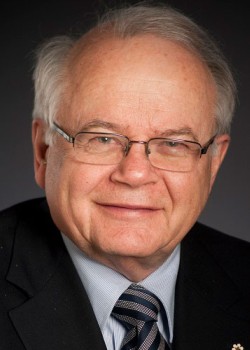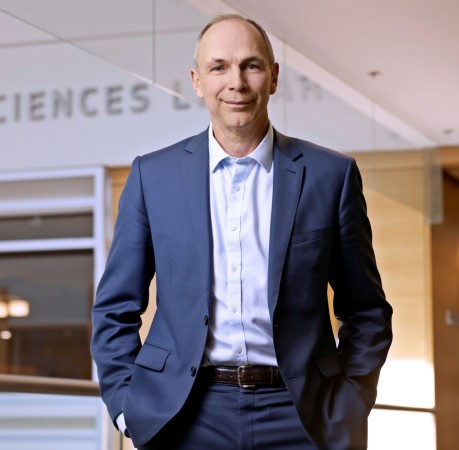
Dr. Todd Anderson’s path to a career in cardiology began in high school and was strengthened through his experience during university. “I was a lifeguard, which solidified my interest in working with people.” he reflects. “I knew early on that medicine was what I wanted to do and I didn’t have any doubts about that.” His enjoyment in science courses confirmed this direction and made it relatively easy for him to stay focused on his path toward a medical career.
While in medical school, Dr. Anderson became drawn to cardiology during the first-year block course. His interest deepened after a summer elective in Calgary and a clerkship elective in Baltimore, which confirmed his decision to pursue internal medicine followed by a career in cardiology.
Dr. Anderson’s decision to stay in Alberta for his practice was shaped by a combination of personal and professional factors. With family in Calgary, it felt like a natural choice for him to remain in the city for his internal medicine training. During his residency, Dr. Anderson was fortunate to have mentors and role models who supported his growth and career aspirations. “Calgary had a great program that suited all my needs,” he says, “and I was able to pursue interventional cardiology training, which was well-supported by world-class expertise here.”
After completing his clinical training, Dr. Anderson received a scholarship from the Alberta Heritage Foundation for Medical Research (AHFMR), allowing him to spend three years in Boston for research training in a new area. This experience was pivotal in Dr. Anderson’s development as a clinician-scientist and the ongoing support from AHFMR helped him return to Alberta as an early career investigator.
Dr. Anderson’s career path has been relatively straightforward, though residency and early practice came with their challenges. “Call was challenging and the hours were long, but that was the same for everyone,” he says. His journey was shaped by strong support from his partner, family, colleagues and mentors. He credits the supportive environment where he trained for providing the right foundation to thrive. Dr. Anderson’s success in obtaining funding for additional fellowship training and publishing papers during his research years helped propel his career forward.
Reflecting on the transition from residency to practice, Dr. Anderson emphasizes the significance of mentorship. “Residency was intense, hard, fun, rewarding and challenging all at once,” he recalls. “The high standards of the Calgary program set me up for success and the graded independence allowed me to transition to practice relatively straightforward.” His three years in Boston as a research fellow and junior staff member further eased this transition.
Dr. Anderson believes that mentorship played a critical role in his development as a physician. “Mentorship from senior residents in my first two years of internal medicine helped me immensely,” he says. “Lots of night call with the seniors taught me about what to do, what not to do and how to thrive in fast-paced specialties.” He also learned valuable lessons from the multi-disciplinary team, particularly nursing, about how to approach patients and their families. “I am a huge proponent of team-based care,” he adds, “having seen it throughout my training journey.”
In his own practice and leadership roles, Dr. Anderson strives to foster the same supportive and collaborative environment that he experienced as a resident. “The faculty I trained with were always very supportive of residents,” he shares. “The importance of what trainees bring to patient care was always emphasized and genuine. This makes for a collaborative practice where patients are central in the daily activities.”
Dr. Anderson is optimistic about the future of healthcare in Alberta. “We are in the early stages of distributed medical education expansion, with new campuses in Lethbridge and Grande Prairie,” he explains. “This expansion is accompanied by an increase in medical students, residency positions, international medical graduates and faculty roles.”
As Alberta’s healthcare system transitions to new structures like Acute Care Alberta, Dr. Anderson sees opportunities for close collaboration between all groups involved in healthcare delivery. “Change is constant in health, but we will get through this efficiently,” he says. He also points to the ongoing work in workforce planning, which aims to optimize the number and distribution of residency positions in the future.
Dr. Anderson’s greatest source of pride has been his work in mentorship. “I’ve been fortunate to spend my career in an academic practice that gave me protected time for research, education and leadership in addition to clinical care,” he reflects. “I’ve been a primary mentor for about 25 students and research fellows, which has been incredibly rewarding.” Dr. Anderson takes great pride in seeing his mentees succeed and grow in their careers.
His leadership roles within the medical school and national organizations have also been a highlight. “These leadership positions allow you to make an impact at a larger level,” he says. “They’ve been challenging but thoroughly rewarding for what I’ve learned and been able to give back.”
Looking ahead, Dr. Anderson has an inspiring message for the next generation of physicians. “Leadership of the medical schools are deeply committed to the importance of students and residents in our healthcare ecosystem,” he says. “As Alberta’s population grows and diversifies (…) residents will continue to be at the heart of our healthcare system.” He emphasizes that residency training will remain a high priority for Alberta, with many opportunities for future physicians to contribute to the province’s medical landscape.
Dr. Anderson also shares his perspective on the importance of work-life balance. “Being involved in healthcare provision is a huge privilege,” he says, “but being a physician doesn’t define me. I integrate that part of my life with my academic, leadership and personal life.” His love for nature and being active outside of work influences how he delivers medical care and approaches his leadership roles. He encourages future physicians to find passions that align with their work to create a meaningful work-life balance.