Dr. Santanna Hernandez: A Resident’s Journey in Medicine
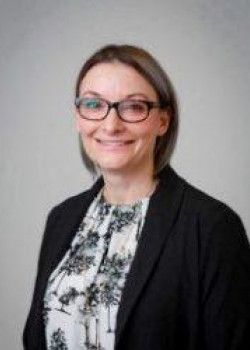
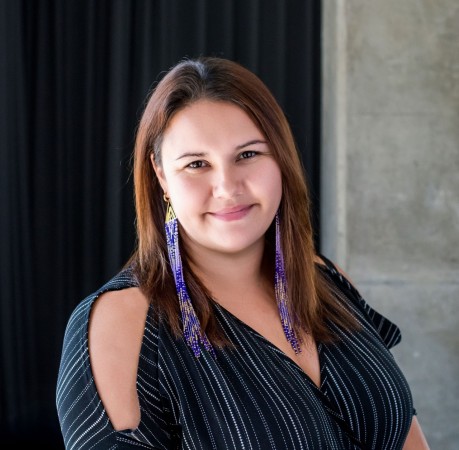
Dr. Santanna Hernandez never imagined she’d attend college or university. Becoming a mom sparked reflection on her experiences as an Indigenous woman accessing healthcare and the fear she often felt for herself and her children. Living in rural and remote areas, she witnessed how easily communities could lose access to care. “Wouldn’t it be incredible to provide these services in these amazing places?” she recalls thinking.
Her path to medicine was inspired by her children’s pediatrician, Dr. Henry Ukpeh, who encouraged her to consider the profession after noticing her curiosity and thoughtful approach to her children’s care. “He was the first person to tell me I should even think about it. I enrolled in upgrading courses, and the rest is history,” she says.
As a mother of four and a member of the Canadian Armed Forces, Dr. Hernandez chose Alberta for residency. “Western Canada has always been home and my children were already settled in southern Alberta. Growing up in rural southern BC, trips to the city – Lethbridge - for back-to-school shopping and sports made the region feel familiar,” she explains.
Residency has brought both challenges and rewards. One of Dr. Hernandez’s biggest challenges has been navigating the discrepancies in resources across rural hospitals and ensuring patients can access the care they need.
Representation also matters deeply to her. “As an Indigenous person, it’s impactful when patients see me and feel safe sharing their symptoms. Sometimes they offer tobacco after care or tell me it’s the first time they haven’t felt scared telling a doctor about their health,” she shares.
Her residency has also been a period of immense professional growth, supported by tailored experiences in Alberta’s rural residency program. Dr. Hernandez has gained skills through training in POCUS, LEAP, NRP/ACORN, ALARM, and other hands-on programs.
Balancing the demands of residency with personal well-being has been possible thanks to her strong support system. “My husband is an incredible cook who keeps me well-fed and manages the home front. My older kids handle chores, academics and extracurriculars like pros. I’m also fortunate to have my ‘military family,’ colleagues who support each other after tough cases in ways my non-medical family can’t fully understand,” she says.
Dr. Hernandez credits PARA with advocating for residents and fostering community and wellness. “PARA has worked tirelessly to help establish our agreement and organize events that support wellness and community,” she notes. Looking forward, she hopes Alberta’s healthcare system can offer stability, open dialogue with the government and a system future physicians want to be part of.
For medical students navigating CaRMS, Dr. Hernandez advises, “Decide if you are willing to compromise location for your dream specialty or vice versa. The answer is not always obvious.” To residents, she recommends building a community, supporting one another and prioritizing learning.
Reflecting on PARA’s 50th Anniversary, she leaves a message for the next generation of physicians: “Be the resident you wish you’d had as a medical student. Be the attending you wish you’d had as a resident. And help create a culture you would be proud to pass on to future generations.”